NOVA Platform and Beyond New Virtual Instrument Advances for Producers

Virtual instruments are moving past fixed plug-ins and closed preset packs. The new direction is clear: free core engines, shared instruments, browser previews, better iPad support, and deeper updates for hardware synths.
That shift matters. It changes how sounds get built, tested, shared, and played.
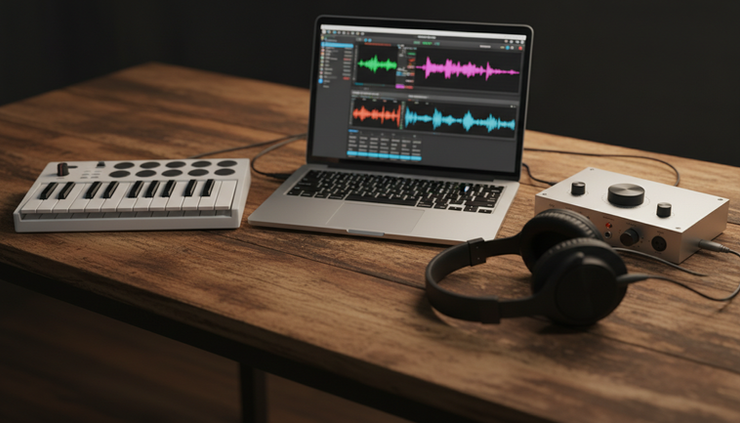
Lunacy Audio NOVA puts the engine first
Lunacy Audio’s NOVA Platform points to one of the biggest changes in virtual instrument design. The product is not just one instrument. It is a core engine that can run many instruments built on the same system.
That is the key idea.
A normal virtual instrument often works like a single closed box. It has one sound engine, one library, one design style, and one set of presets. NOVA takes a wider approach. It gives users a common player and sound engine, then lets different instruments live inside it.
That matters for three reasons.
First, producers do not need to learn a new interface every time they open a different sound. The controls, browsing, and basic workflow can stay familiar.
Second, sound designers can build for one clear framework. That can lead to more consistent instruments and faster releases.
Third, the platform can grow without making every new sound feel like a separate purchase, install, or setup problem.
The headline feature is the free core engine. That lowers the entry cost to zero for the base system. It also changes the relationship between the company, sound designers, and users. The platform can spread first. Paid instruments, creator tools, and community content can grow after that.
That model is common in other creative tools, but it still feels fresh in music software. A free player gives more producers a reason to try the system. If the sounds are useful, they stay. If the builder tools are strong, creators join. If sharing is easy, the library expands.
Hybrid instruments are becoming the new default
NOVA’s hybrid instrument idea is important because modern production rarely fits one sound type.
A track might need:
A sampled piano with movement.
A synth bass that reacts like an instrument.
A vocal texture that feels organic.
A pad made from real recordings and electronic layers.
A rhythmic sound that blurs the line between loop and playable patch.
A hybrid instrument can bring these pieces together. In plain terms, that means it can combine recorded audio, synthesized tones, effects, motion, and performance controls in one patch.
This helps new users too. They do not need to know every sound design method. They can load an instrument and shape it with clear controls.
For experienced producers, the value is speed. A hybrid patch can deliver a finished sound faster than building one from several separate tools. It also keeps the creative path cleaner. Less routing. Fewer windows. Fewer small decisions before the idea is ready.
NOVA launched with five free instruments, which is a smart move. Free instruments are not just giveaways. They show what the platform can do.
The launch set gives users a practical first look at the system. It also sets the tone for the wider catalog. Rather than asking producers to trust a future roadmap, Lunacy Audio puts playable sounds in their hands right away.
The sound designer collaborations matter just as much. A platform lives or dies on taste. A strong engine is useful, but a strong engine with outside voices becomes more interesting. Different designers bring different ears. One might focus on cinematic textures. Another might build punchy electronic sounds. Another might turn field recordings into playable instruments.
That range is hard to get from one in-house voice alone.

NOVA’s community features could be the bigger story
The most interesting part of NOVA may be what happens beyond the factory instruments.
The platform includes an ecosystem for user-generated instruments. That means people outside the company can create instruments and share them through the same system. If this works well, NOVA becomes more than a sound library. It becomes a place where sounds can circulate.
That has clear benefits.
For producers, it means a larger pool of instruments. Some may be polished commercial releases. Others may be small, strange, personal, and highly specific. Those odd instruments often become the most useful ones in real tracks.
For sound designers, it creates a clearer path from idea to audience. A creator can build within the platform, share the result, and reach people who already use the engine.
For Lunacy Audio, it makes the platform more active. Each new instrument gives people a reason to come back.
The in-browser streaming feature adds another layer. Instead of downloading every instrument before hearing it, users can preview sounds in the browser. That can reduce friction in a big way.
Anyone who has managed a large instrument collection knows the pain. A folder fills up with installers, sample packs, demo versions, and half-used libraries. By the time the sound is installed, the idea that sparked the search may be gone.
Browser streaming helps with that problem. It lets producers audition sounds before committing space, time, or attention. For a platform built around many instruments, that is not a small feature. It is part of the core experience.
A good discovery system changes how people write music. Faster previewing means more experiments. More experiments mean more chances to find a sound that pushes a track forward.
Sugar Bytes Transfigure for iPadOS makes mobile production less limited
Sugar Bytes has long focused on creative sound tools with bold interfaces. Transfigure for iPadOS fits that pattern, but the major news is its full Audio Unit version 3 support.
Audio Unit version 3 is Apple’s modern plug-in format for iPad and Mac music apps. In simple terms, it lets a music app host another music tool inside it. That means Transfigure can run inside compatible iPad production apps instead of only working as a separate app.
This matters for mobile producers.
The iPad has become a serious music tool. Logic Pro for iPad, Cubasis, AUM, BeatMaker, and other hosts have made mobile production much more capable. The weak point has often been connection. If an app cannot run cleanly inside a session, it can slow the work down.
Full plug-in support helps solve that.
With Transfigure inside a host app, producers can:
Save its settings with the project.
Use it alongside other instruments and effects.
Record its output without clumsy workarounds.
Build repeatable sessions on the iPad.
Move faster when writing away from the main studio.
This is not just a convenience feature. It changes the role of the iPad. A mobile device no longer has to be a sketchpad only. It can become a full production space, especially for electronic music, sound design, and loop-based writing.
The best mobile music tools respect touch. They do not simply shrink a desktop layout. Transfigure’s value will depend on how well it makes sound shaping feel direct on a glass screen. Full plug-in support gives it the technical foundation. The interface and sound will decide how often producers reach for it.
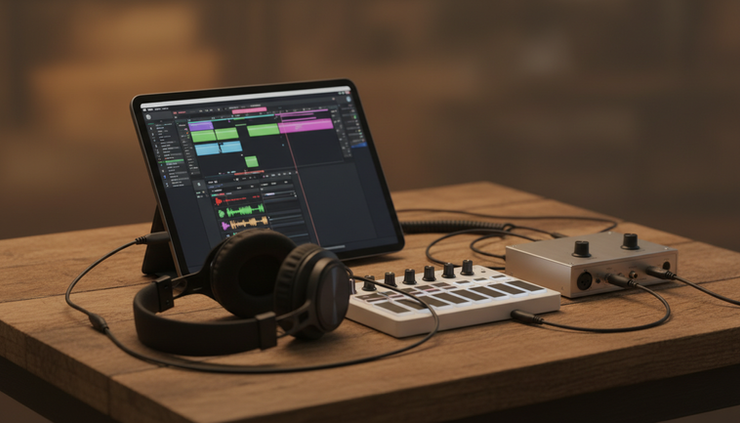
Mayer EMI MD850 gains more depth with Aurora 5.0
Hardware instruments now live in a world where firmware updates can reshape the product after release. The Mayer EMI MD850 is a good example. Its Aurora 5.0 firmware update adds new features and refinements that extend the life of the instrument.
Firmware is the built-in software that runs a hardware device. A major update can improve workflow, add sound options, tighten timing, expand control, or fix rough edges.
Aurora 5.0 is positioned as a meaningful update rather than a small maintenance patch. For MD850 users, the value is not only in new features. It is also in the message behind the update. The instrument is still being developed.
That matters when hardware costs more than a casual plug-in purchase. A synth that keeps gaining features can stay relevant longer.
For producers, the most practical gains from a firmware update often come in these areas:
Improvement area | Why it matters in music production |
Sound design options | More ways to shape a patch without external tools |
Performance controls | Better real-time playability during recording or live use |
Preset handling | Faster browsing, saving, and recalling ideas |
Sequencing tools | Easier pattern writing and motion inside the instrument |
Stability fixes | Fewer session-breaking problems |
Aurora 5.0 also reflects a larger trend. Hardware and software are no longer separate worlds. A modern synth can behave more like a living platform. The physical controls stay the same, but the internal system can grow.
That can be good or bad. Updates bring value, but they also require care. Producers should back up presets before installing firmware. They should also read the release notes, confirm the update path, and avoid installing right before a session or show.
Still, strong firmware support is now a selling point. A great sound engine gets attention. Long-term updates build trust.
Beetlecrab Audio Vector 3.0 Beta shows where experimental tools are heading
Beetlecrab Audio’s Vector 3.0 Beta sits in a different lane. It points toward more visual, movement-based sound design.
Vector-based tools give producers a way to shape sound by moving through points, paths, or positions. Instead of turning one knob at a time, the user can guide several changes at once. That can make a sound feel alive.
The 3.0 beta brings attention to enhancements aimed at a smoother creative flow. Beta versions are test releases, so they are not always ideal for critical projects. They are useful because they show the direction of the tool before the final version lands.
For producers, the appeal is clear. Vector-style control works well for:
Evolving pads.
Transforming effects.
Rhythmic motion.
Cinematic textures.
Live performance gestures.
Sounds that change without feeling random.
The best version of this design gives a producer control without making the process feel like programming. Draw a path. Move a point. Record motion. Hear the sound react.
That style fits current production habits. Many tracks now rely on motion as much as melody. A simple chord can work if the texture changes over time. A loop can stay interesting if filtering, pitch, tone, and space move together.
Vector 3.0 Beta also reflects a broader move toward visual sound shaping. Producers want tools that show what is happening. Clear visual feedback helps people understand complex movement faster.
The beta label still matters. Anyone using it should keep stable versions nearby and avoid trusting unfinished software for deadline work. Betas can contain bugs. They can also change before release.
Used carefully, though, a beta can be inspiring. It gives early access to new workflows and invites users to shape the final product through feedback.
The common thread is access
These releases may look unrelated at first.
NOVA is a platform. Transfigure is an iPadOS release. Aurora 5.0 is firmware for hardware. Vector 3.0 Beta is an experimental software update.
They all point in the same direction: music tools are becoming more open, connected, and adaptable.
NOVA lowers the entry point with a free engine and builds outward through shared instruments. Transfigure makes iPad production more complete by working inside host apps. Aurora 5.0 shows that hardware can keep growing after purchase. Vector 3.0 Beta pushes sound design toward movement, drawing, and performance.
For producers, this is good news. The best tools are reducing setup drag. They are making discovery faster. They are giving sound designers more ways to publish ideas. They are also making mobile and hardware workflows less isolated.
The caution is simple. More platforms can also mean more accounts, more libraries, more updates, and more choices. A new tool only helps if it earns a clear place in the workflow.
The smart approach is practical.
Try the free NOVA engine and its five launch instruments first. See if the browsing, sound shaping, and community model fit real sessions. On iPad, test Transfigure inside the host app already used for projects. For the MD850, back up sounds before moving to Aurora 5.0. For Vector 3.0 Beta, use it for exploration before trusting it on deadline work.
The future of virtual instruments is not only about bigger sound libraries. It is about better systems for building, sharing, previewing, and performing sound. That is the real advance, and it is already changing the way tracks get made.
Comments